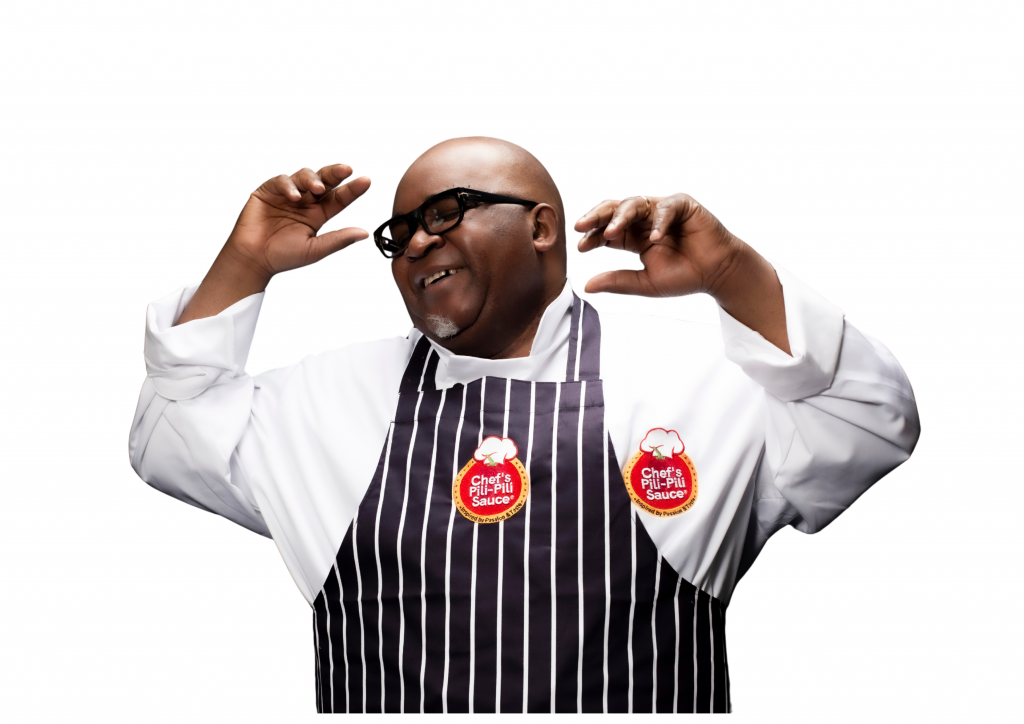
"MEET THE TALENTED CHEF BEHIND CHEF'S PILI-PILI SAUCE, WHOSE EXPERIENCE AND PASSION HELPED BRINGS THIS UNIQUE FLAVOUR TO LIFE"
Aimé Lombaya began creating nouvelle cuisine at the two-Michelin-star Maraboe Hotel in Belgium from 1990 to 1995.
He has been based in London since 1996, where he has delivered French, European, Modern British, Fusion, and Continental cuisine to several prestigious West End and City of London establishments.
In 2007, Aimé was awarded Best Head Chef by Young’s Brewery for his work at The Duke’s Head Hotel in Wallington. He later helped to launch Yager Bar (formerly Mustard Bar) in the heart of the City of London, where his distinctive fusion creations became immensely popular. The venue was subsequently recognised among the Top Tables Restaurants in 2008. In 2013, Aimé accepted the position of Executive Head Chef for the Shoreditch Bar Group, where he launched a private members’ restaurant at The King’s Head in East London, serving his highly regarded fusion dishes. He went on to successfully manage five additional restaurants within the group and introduced well-received menus across the UK.
During this period, the inspiration to develop a line of sauces emerged-allowing diners to enjoy the essence of his fusion cuisine at home with family and friends. A decade later, Aimé is proud to bring this vision to life with a range of expertly crafted fusion sauces and marinades that have been perfected over years in professional kitchens and enjoyed by hundreds of loyal patrons.
He now dedicates his time to developing a collection of chilli sauces and condiments that blend tradition with originality, offering well-seasoned flavours, distinctive textures, and a truly memorable taste experience.
It was during this time, the demand and inspiration behind developing sauces for this fusion range began that diners could replicate with family and friends at home.
A decade later, Aimé is delighted to bring this vision of successfully perfected fusion sauces and marinades that have been enjoyed by hundreds of patrons over the years.
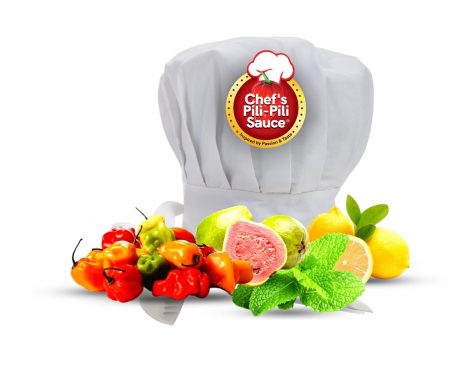
Now in 3 delectable sauces Rumba Lemon, British Mint and Tropical Guava will allow everyone to enjoy restaurant styled meals easily and quickly at home.

WHAT DOES THE CHEF SAY?
- WHAT IS IT LIKE TO BE A HEAD CHEF?
Being a head chef is an exciting and rewarding career, but it certainly comes with its challenges. You must stay sharp, pay close attention to detail, and perfect every aspect of presentation and flavour. That dedication can transform a simple meal into something truly extraordinary. I carried that same approach and precision when developing these sauces.
- WHAT ARE PILI-PILI?
- WHAT DO CONGOLESE CALL SCOTCH BONNET?
Scotch bonnets, also known in Congo as pili-pili, look like small bell peppers and they’re the most common type of pepper used in Congo cuisine. In Congo, Scotch bonnets are key ingredients in various Congolese dishes, such as hot sauce or marinated.
- WHAT IS RUMBA
IN THE PRESS
Our Chef behind the delicious sauces Aimé Lombaya was interviewed by Londonist. Check out the snippet of the interview below and click the READ MORE button below to view the full interview.
The cuisine of French Caribbean islands, such as Martinique and Guadeloupe is very highly regarded internationally. It’s an amalgamation of French cuisine with the focus on marinating and spices that is a carry-over from the African population and even the earlier West Indian peoples. The combination is called Creole cooking.
Cajun cooking is also Creole cooking. Cajun cooking came from French settlers who were ejected from Canada and ended up in parts of southern states of the US…